
Waterproofing
Some leaks involve more than grout or sealant. We assess the signs of waterproofing failure and explain when broader access or reinstatement is needed.
Assessment before repairs · Clear scope · No obligation
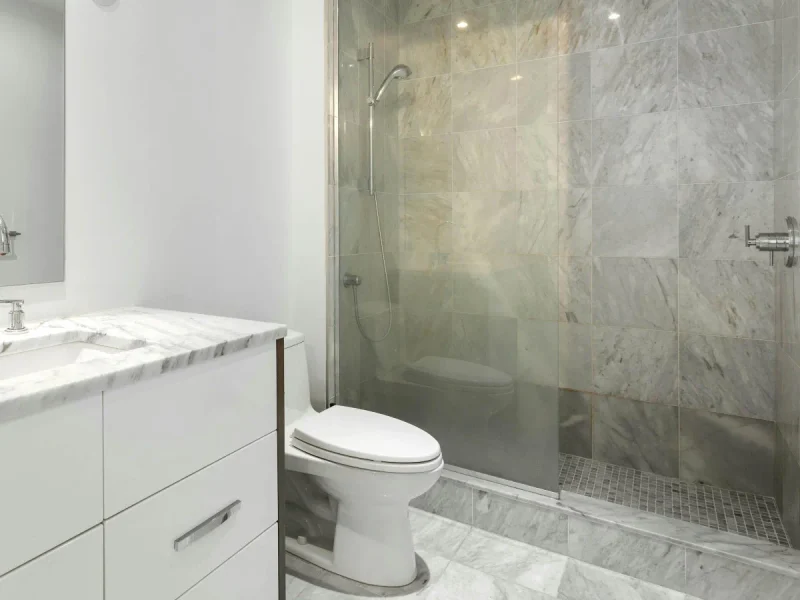
When waterproofing may be involved
Waterproofing protects the underlying assembly. A surface reseal or protective coating is not a replacement for a failed waterproofing system. Assessment determines the required pathway and scope.
- Leaks that persist after resealing
- Moisture beneath or outside a wet area
- Wider damage around a shower or balcony
- Dampness in adjoining rooms or lower levels
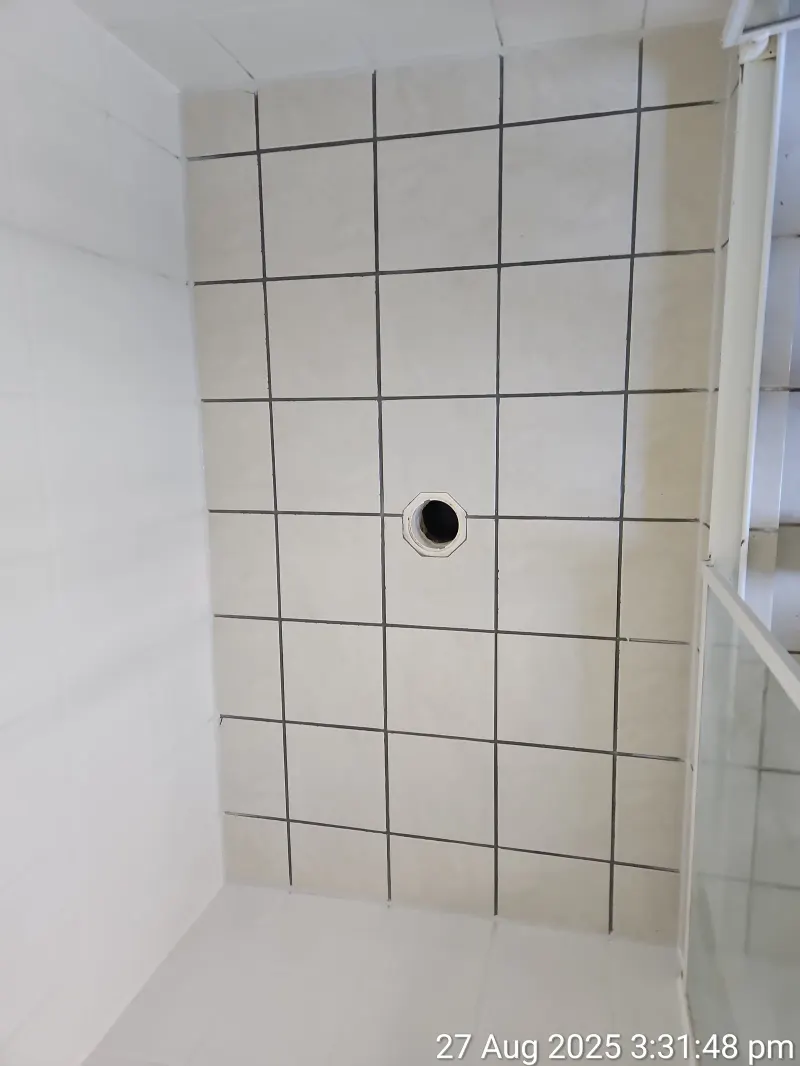
We diagnose the cause before recommending a repair
Not every leak is a waterproofing failure. We assess the full picture before recommending a repair. Photos alone do not provide a full diagnosis.
- 01
Assess the symptoms.
We review your leak history and understand when and where the issue occurs.
- 02
Inspect and test where needed.
We assess accessible areas and carry out targeted testing to confirm what's happening.
- 03
Recommend the right scope.
You'll receive a clear explanation of the likely cause and the repair or reinstatement required.
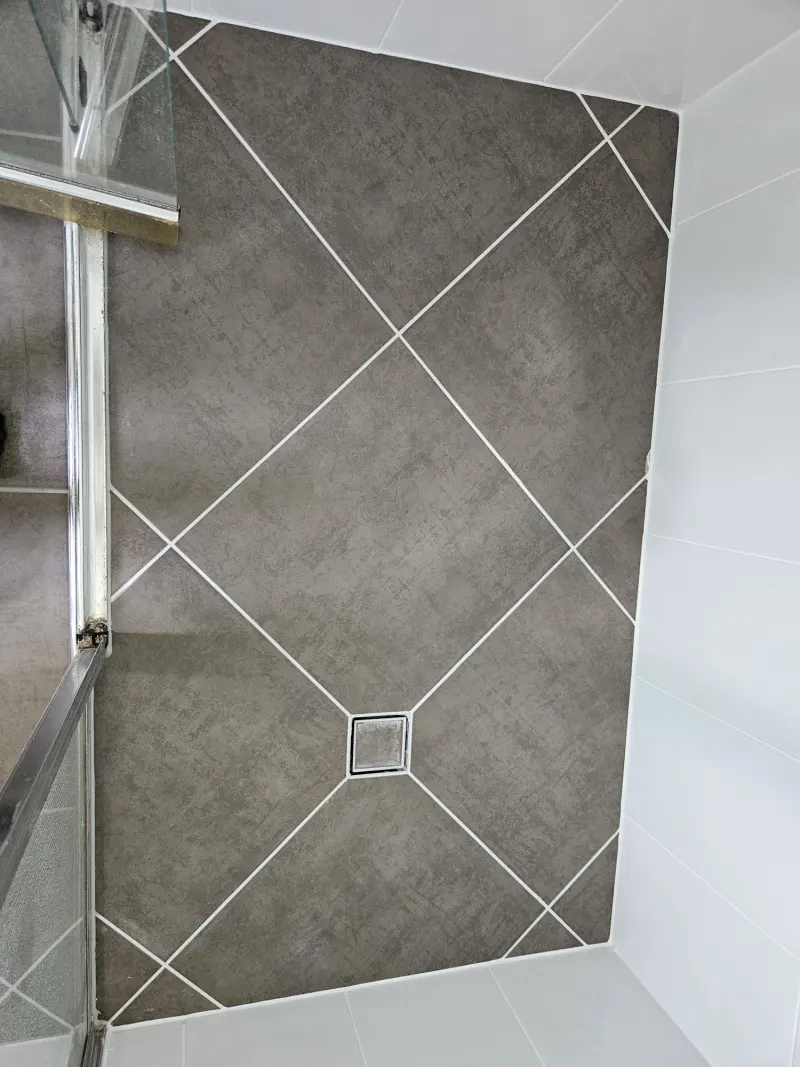
What the repair may involve
Inclusions depend on what’s found during assessment and are confirmed before work begins.
- Assessment of the likely failure pathway
- Explanation of surface-repair limitations
- An agreed waterproofing and reinstatement scope
- Coordination of required work
Timeframe: Timing is confirmed once access, substrate preparation, curing and reinstatement requirements are known.
Areas: Gold Coast, Brisbane, Tweed Heads and nearby northern NSW.
Suitability: Indoor wet areas and balconies. In some cases, more extensive building or structural work may be required.
FAQs
Quick answers to common questions about waterproofing.
Is resealing the same as waterproofing?
No. Resealing renews accessible joints. Work to a concealed waterproofing system can require opening up and reinstating the surrounding area.
How do you confirm if waterproofing has failed?
We review the leak pattern and accessible wet area, then arrange inspection or targeted testing where required. The findings determine whether concealed areas need investigation.
Will I need to remove tiles?
Some concealed waterproofing work needs access through the tiled finish. We explain what needs to be opened and reinstated after the cause and scope are assessed.
How long does the process take?
Timing is confirmed once access, substrate preparation, curing and reinstatement requirements are known.
Other services that may help
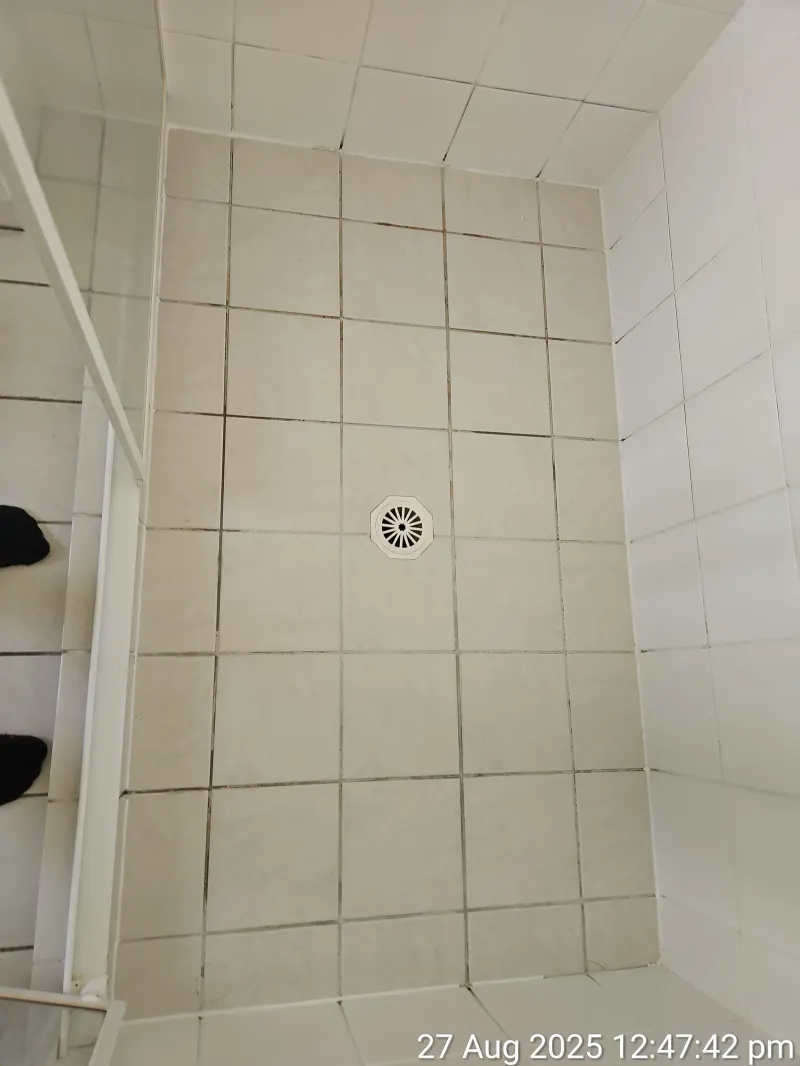
Shower leak diagnosis
Our 5-Point Leak Diagnosis establishes the likely source and condition before a repair is recommended.
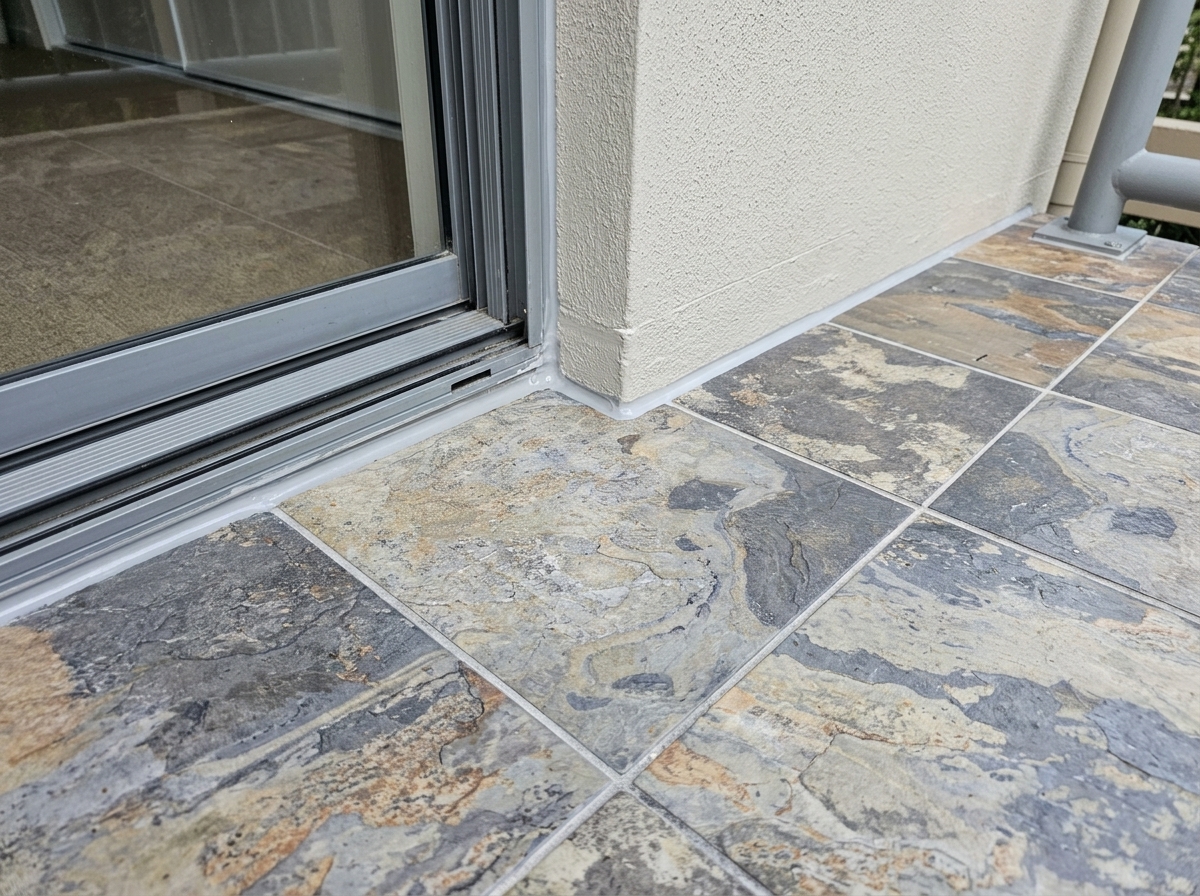
Balcony resealing
Assess balcony joints and moisture entry before recommending targeted resealing or a waterproofing pathway.
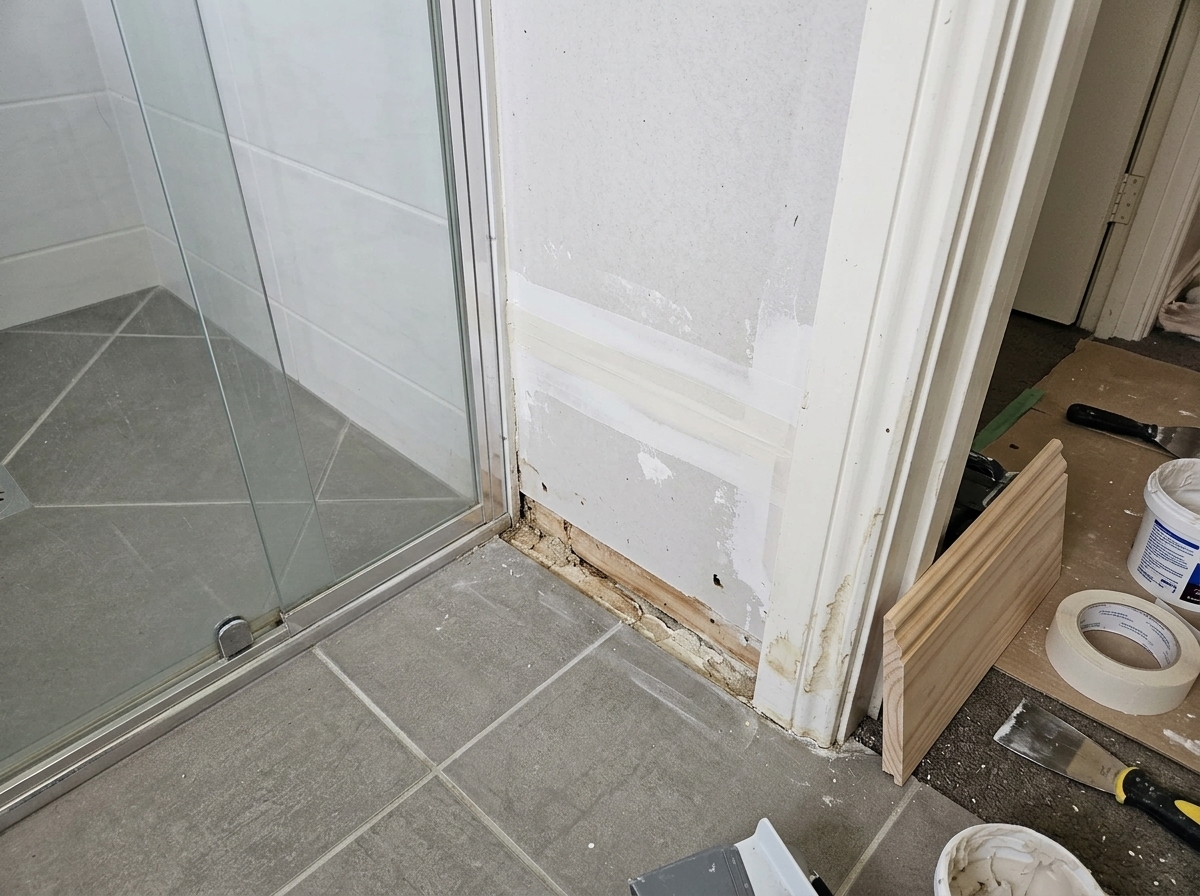
Building restoration
Manage repairs and finishes in areas affected by a leaking shower, after the moisture source and drying conditions are addressed.
Tell us what’s happening
Tell us about the problem and your suburb. We’ll explain the next step.