
Mould remediation
Mould in and around a shower often points to ongoing moisture, poor drying or failed joints.
Assessment before repairs · Clear scope · No obligation
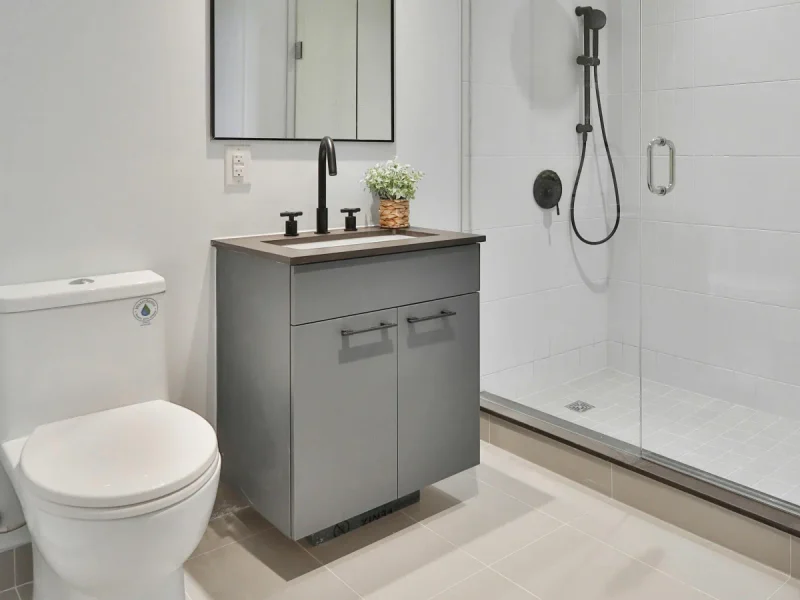
Treat the mould. Understand the moisture
Remediation begins by distinguishing accessible surface growth from possible concealed moisture damage and matching work to the accessible scope.
- Recurring mould at joints
- Discoloured silicone or grout
- Persistent dampness
- Musty odour
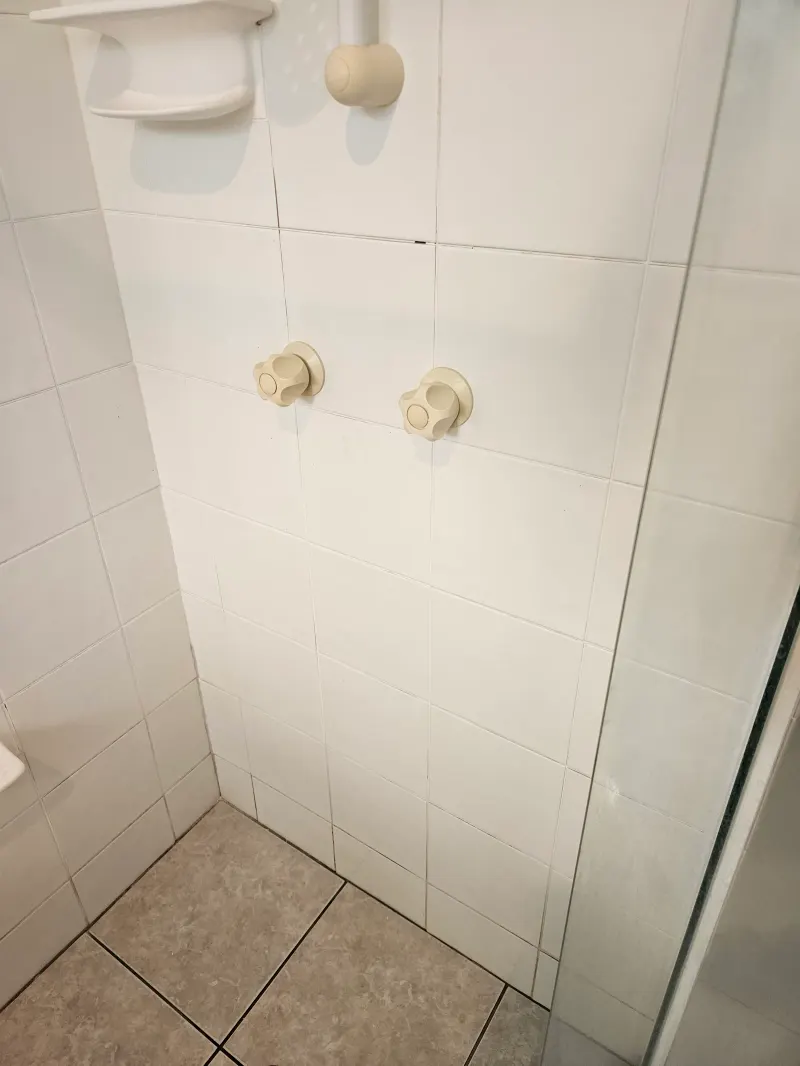
Understand the moisture before planning restoration
Address affected shower areas while investigating contributing moisture conditions. Photos alone do not provide a full diagnosis.
- 01
Assess the moisture.
Review pattern and recurrence. . Look for active water entry. .
- 02
Plan the right sequence.
Identify drying, treatment and restoration needs. Confirm access and scope before work starts.
- 03
Agree the next steps.
Assess accessible materials. . Recommend investigation when damage may be concealed. .
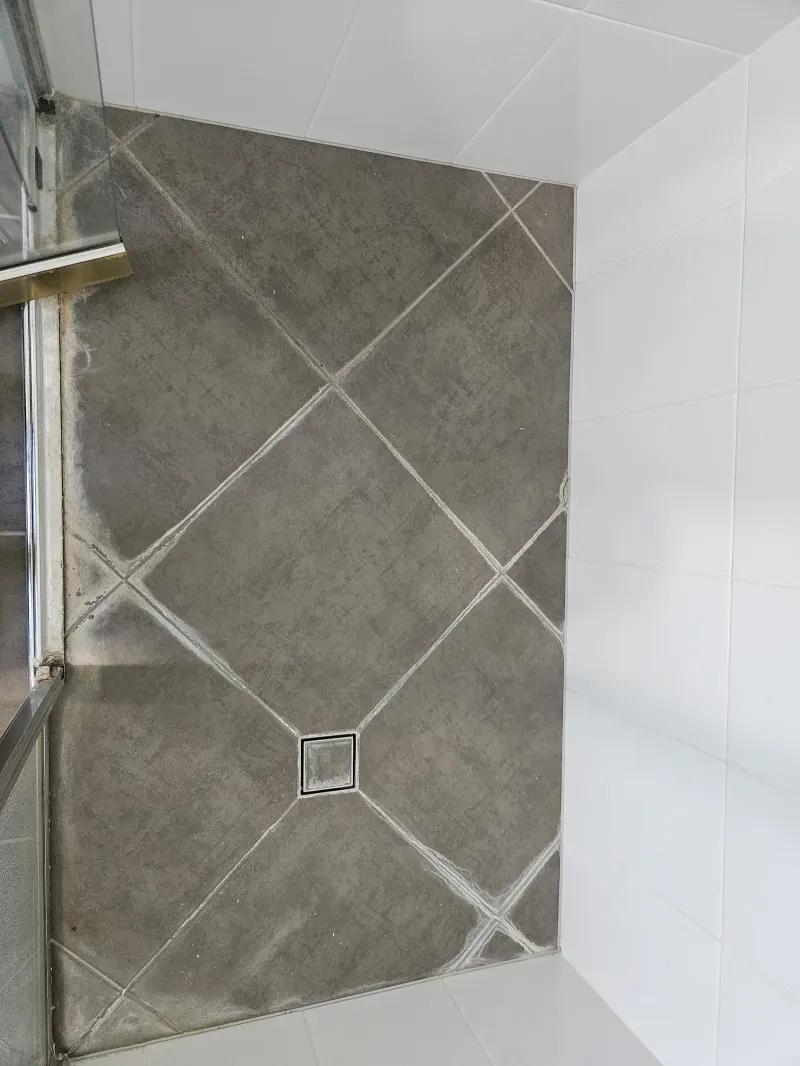
What restoration may involve
Inclusions depend on what’s found during assessment and are confirmed before work begins.
- Visible-condition review
- Identification of moisture contributors within scope
- Treatment of agreed accessible areas
- Recommendations for ongoing moisture control
Timeframe: Timing depends on moisture conditions, the affected area and whether further investigation is required.
Areas: Gold Coast, Brisbane, Tweed Heads and nearby northern NSW.
Suitability: Affected material is accessible. We explain any need for broader work during assessment.
FAQs
Quick answers to common questions about mould remediation.
Can mould behind a shower be remediated?
Concealed mould needs the moisture source and affected material identified. Surface treatment is not a substitute for opening up and remediating concealed damage when broader work is required.
Will surface treatment stop mould returning?
Not by itself if moisture remains active. Long-term control depends on addressing the contributing moisture conditions and improving drying or ventilation where relevant.
Other services that may help
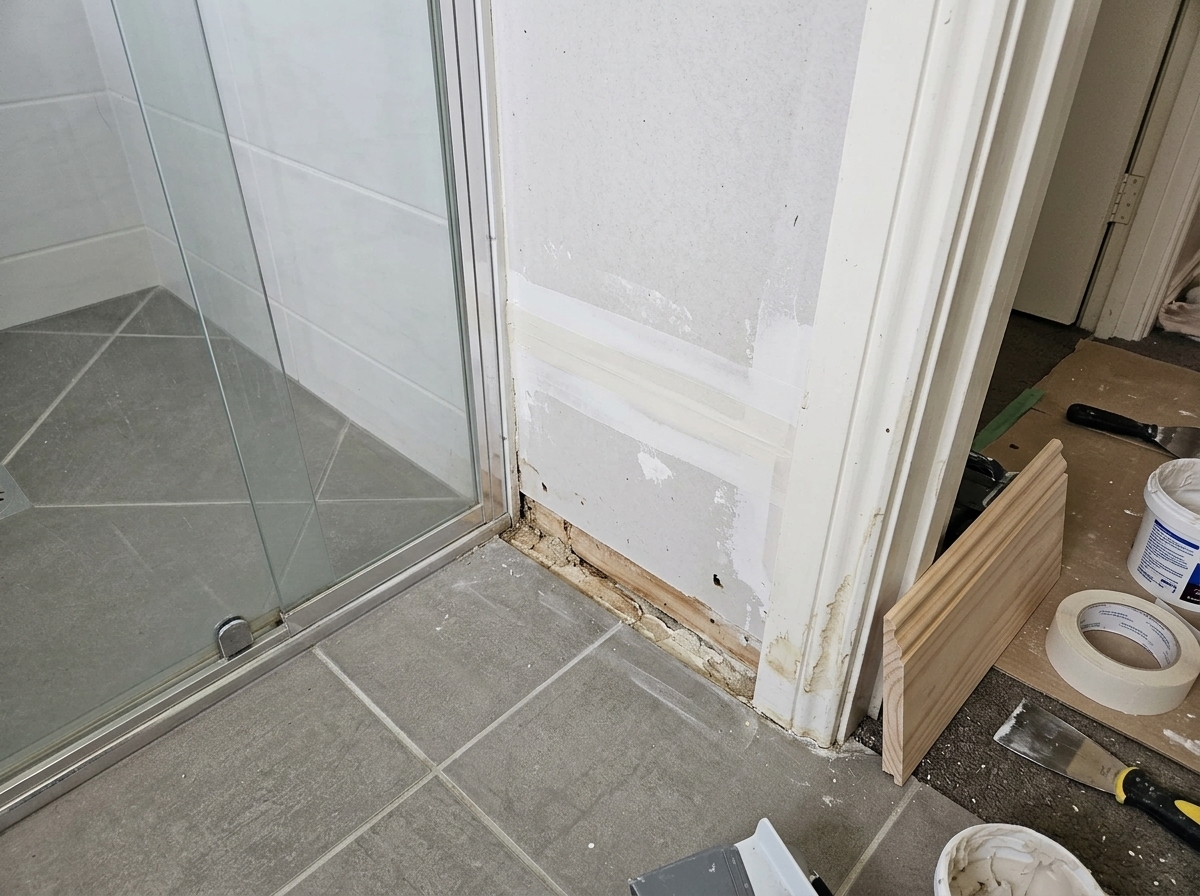
Moisture remediation & building restoration
Assess trapped moisture, plan the drying strategy and manage restoration of affected areas.
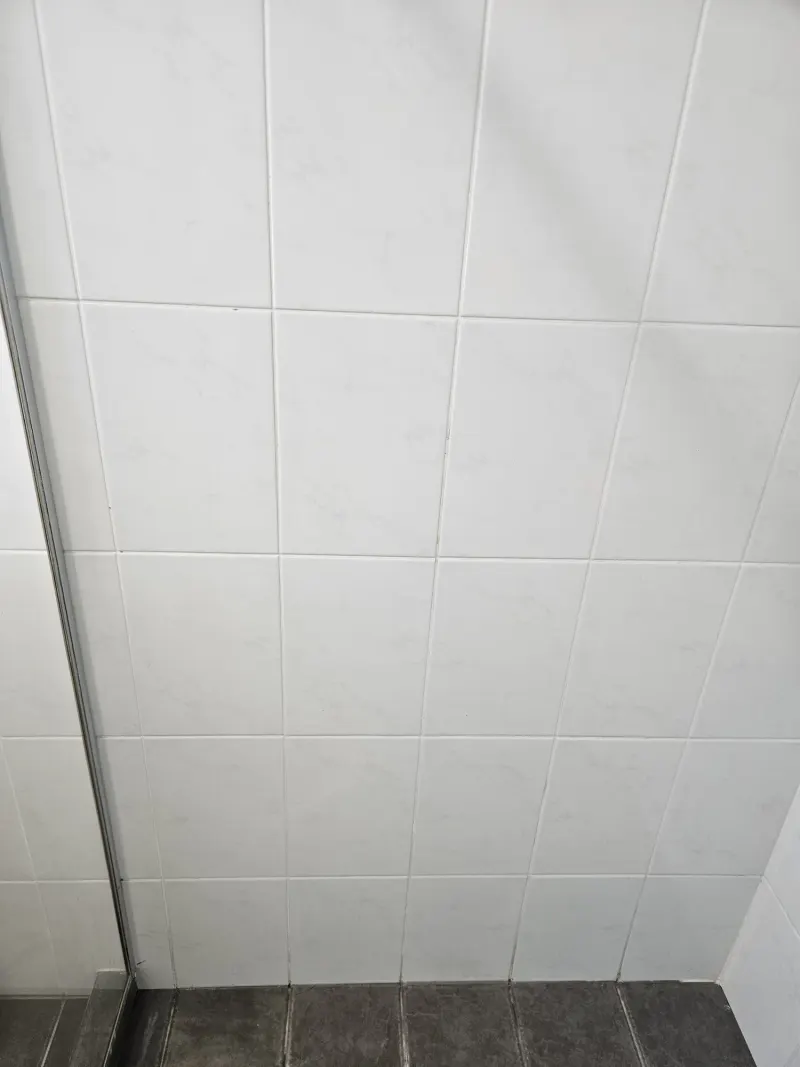
Silicone replacement
Remove failed silicone and renew flexible joints with careful preparation and finishing.
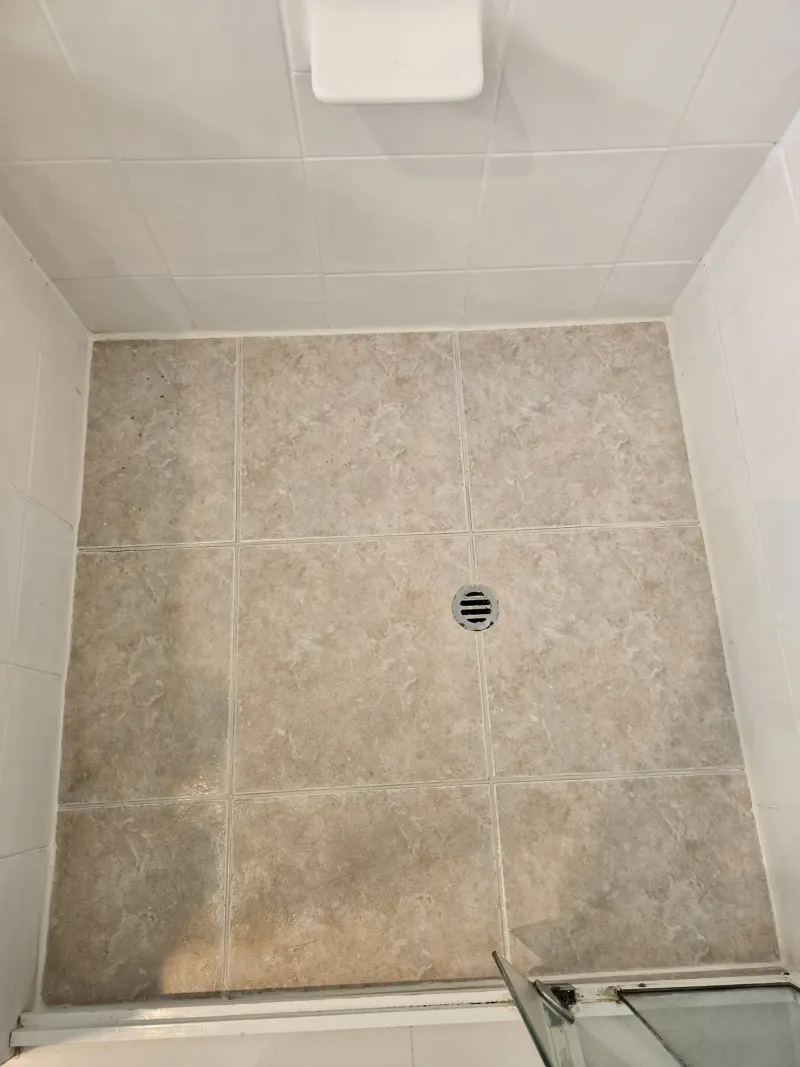
Grout renewal
Renew failed, stained or deteriorated grout where the substrate and shower condition are suitable.
Tell us what’s happening
Tell us about the problem and your suburb. We’ll explain the next step.