
Silicone replacement
Silicone joints accommodate movement at changes of plane and around fittings. Replacement may suit split, peeling or contaminated joints.
Assessment before repairs · Clear scope · No obligation
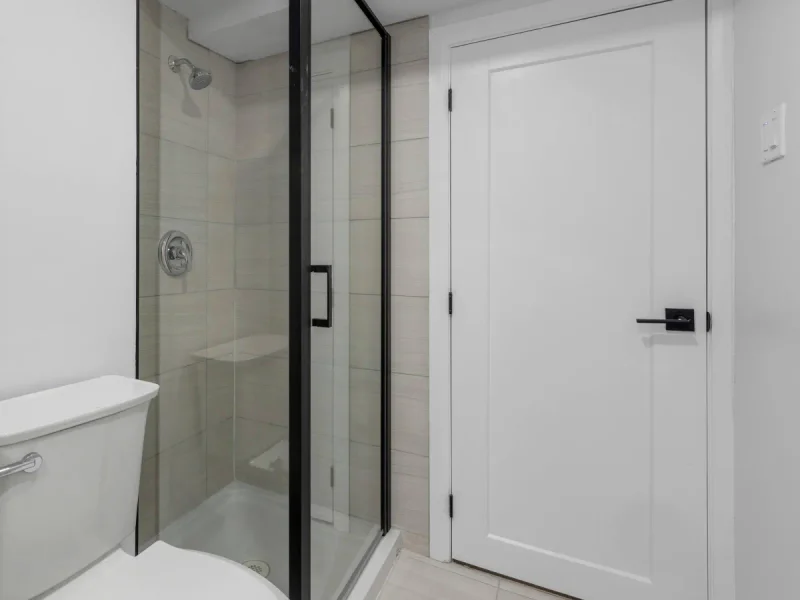
When flexible joints begin to fail
Silicone replacement is targeted renewal of flexible joints after failed material is removed and joint faces are prepared.
- Peeling or separated silicone
- Split corner joints
- Persistent discolouration
- Gaps around screens or fittings
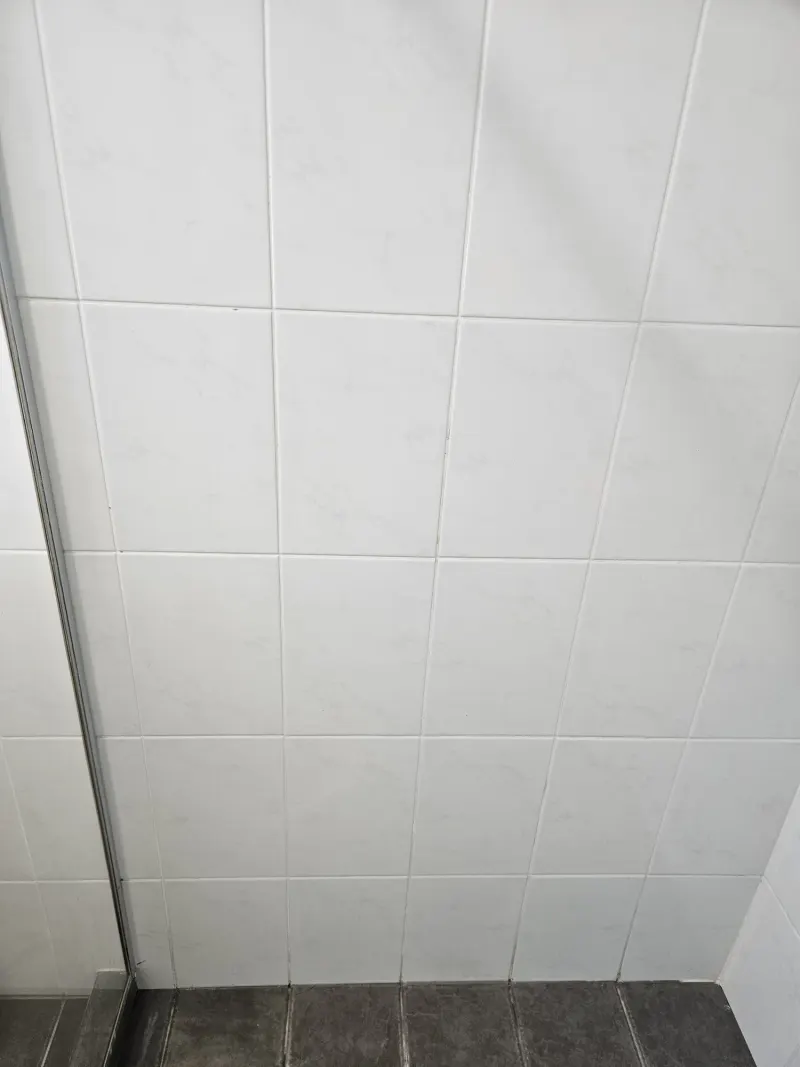
We diagnose the cause before recommending a repair
Remove failed silicone and renew flexible joints with careful preparation and finishing. Photos alone do not provide a full diagnosis.
- 01
Assess the symptoms.
Inspect each affected joint. . Check for other water pathways. .
- 02
Inspect and test where needed.
Consider joint movement. . Confirm preparation and access. .
- 03
Recommend the right scope.
Explain the findings, any uncertainty and the recommended work before you approve a clear scope.
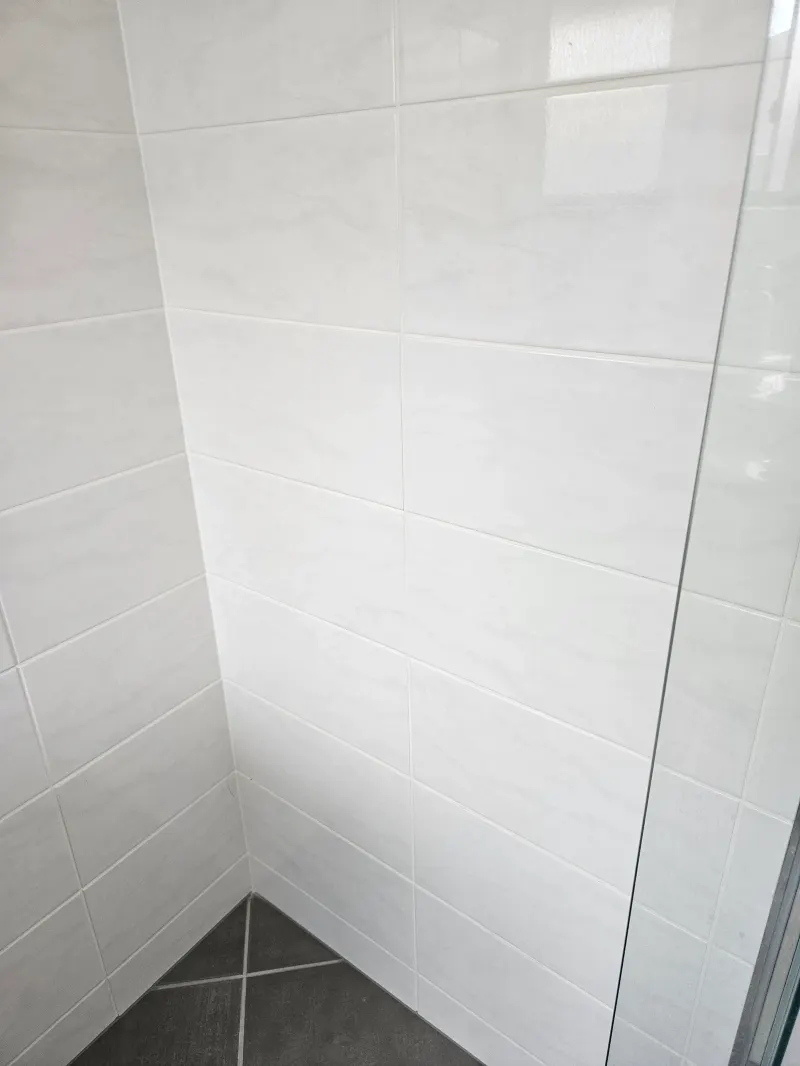
What the repair may involve
Inclusions depend on what’s found during assessment and are confirmed before work begins.
- Review of affected joints
- Removal of failed silicone within scope
- Cleaning and preparation
- Application of new flexible sealant
Timeframe: Work and cure timing depends on joint extent, conditions and selected material.
Areas: Gold Coast, Brisbane, Tweed Heads and nearby northern NSW.
Suitability: The fault is within accessible joints. We explain any need for broader work during assessment.
FAQs
Quick answers to common questions about silicone replacement.
What areas of a shower need silicone?
Flexible sealant is commonly used at changes of plane and selected junctions, such as wall-to-floor corners and around screens or fittings. The exact joints depend on construction.
Can silicone be applied over existing silicone?
A sound result generally depends on removing failed material and preparing the joint. Applying new sealant over deteriorated silicone can hide rather than correct the problem.
Other services that may help
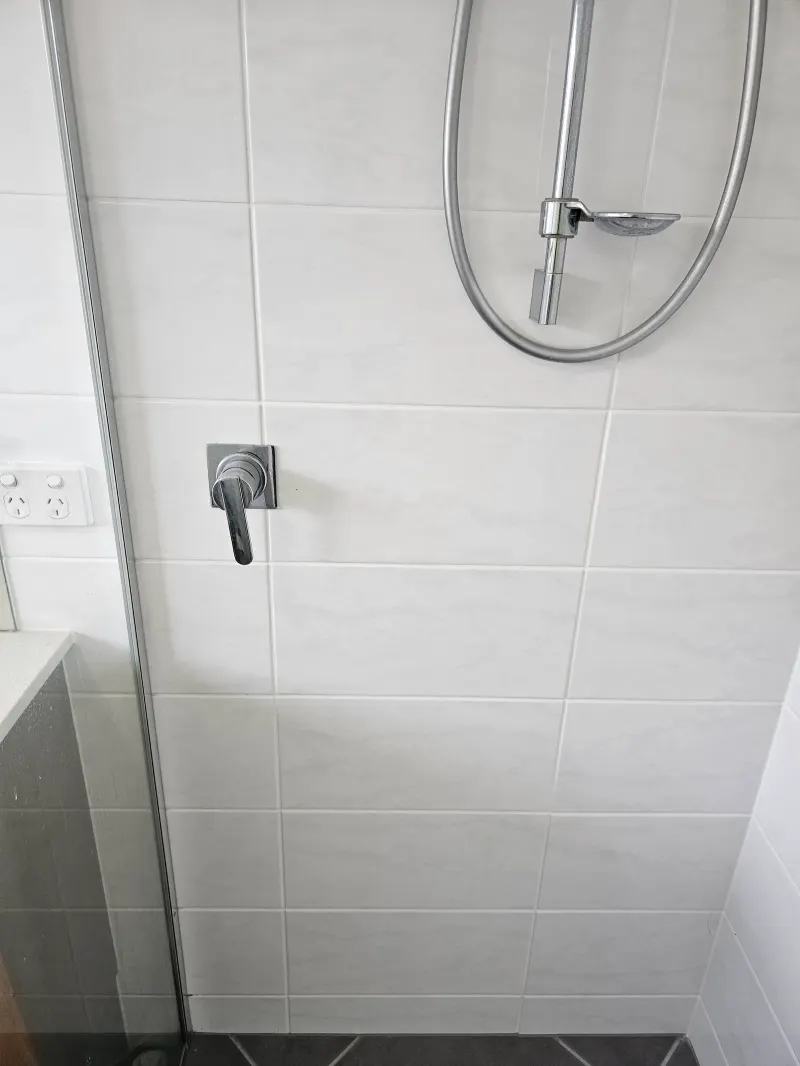
Shower sealing & resealing
Renew failed shower joints and seals after the source and condition have been assessed.
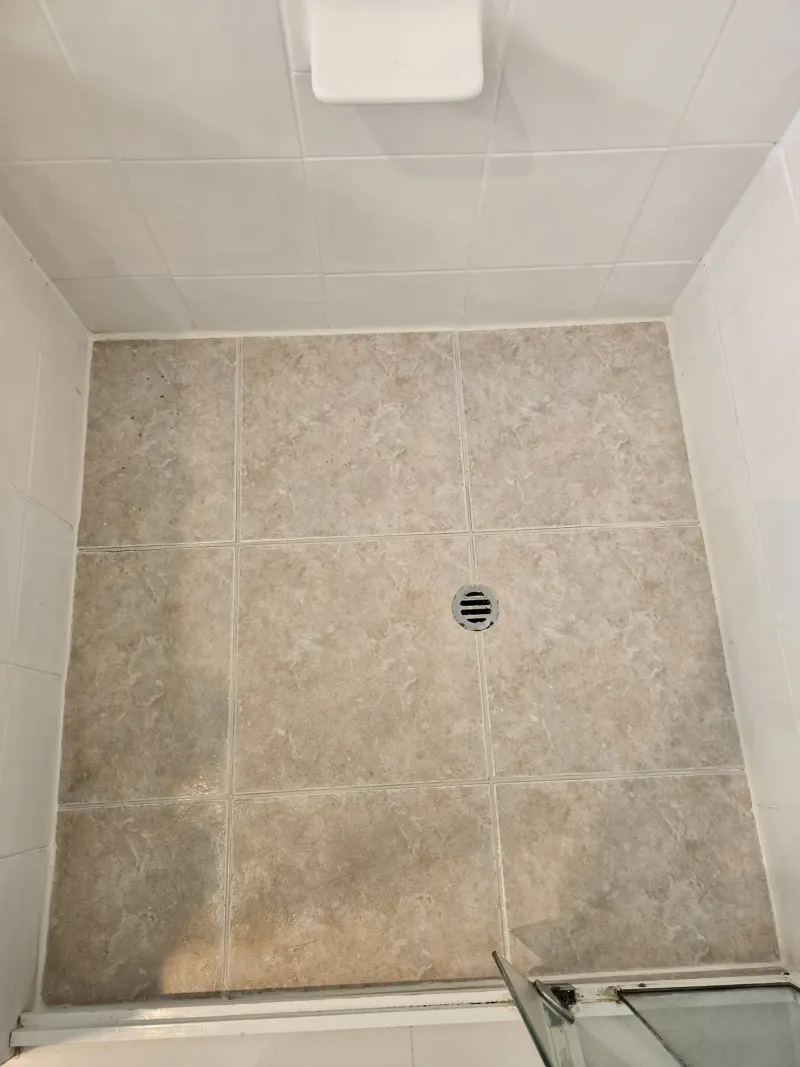
Grout renewal
Renew failed, stained or deteriorated grout where the substrate and shower condition are suitable.
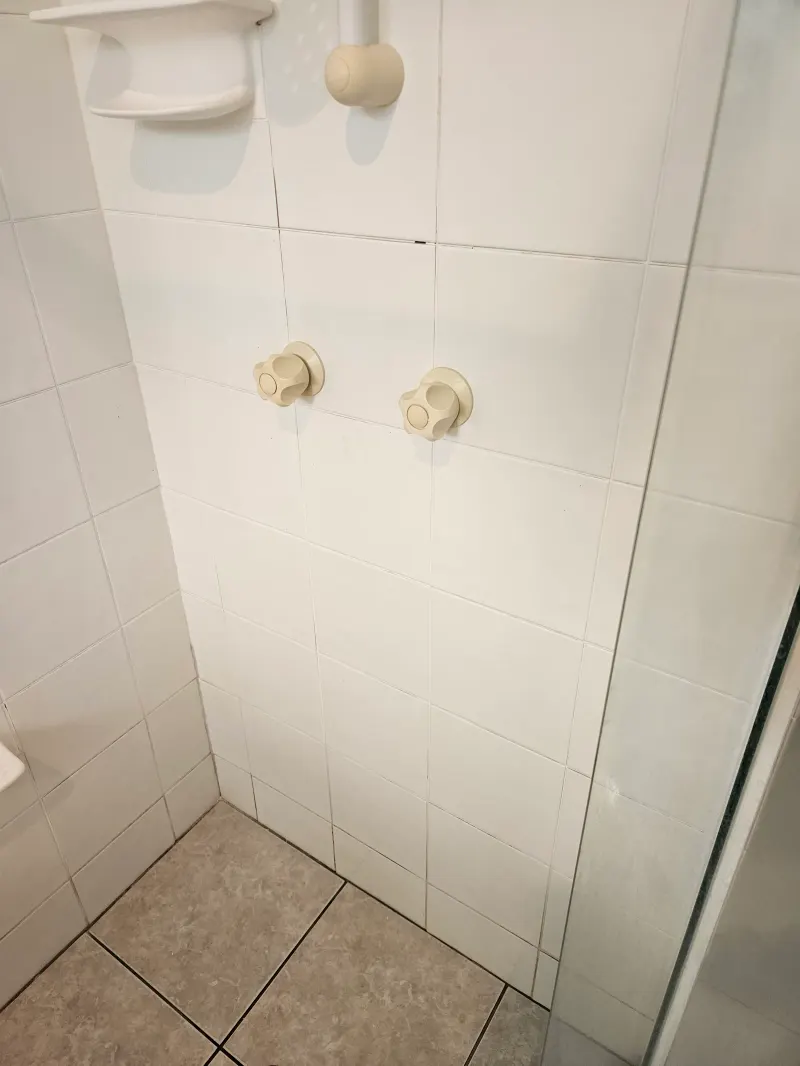
Mould remediation
Address affected shower areas while investigating contributing moisture conditions.
Tell us what’s happening
Tell us about the problem and your suburb. We’ll explain the next step.